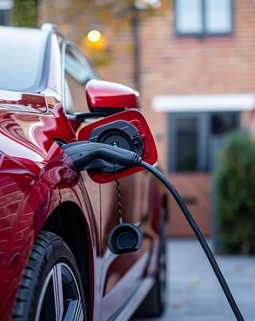

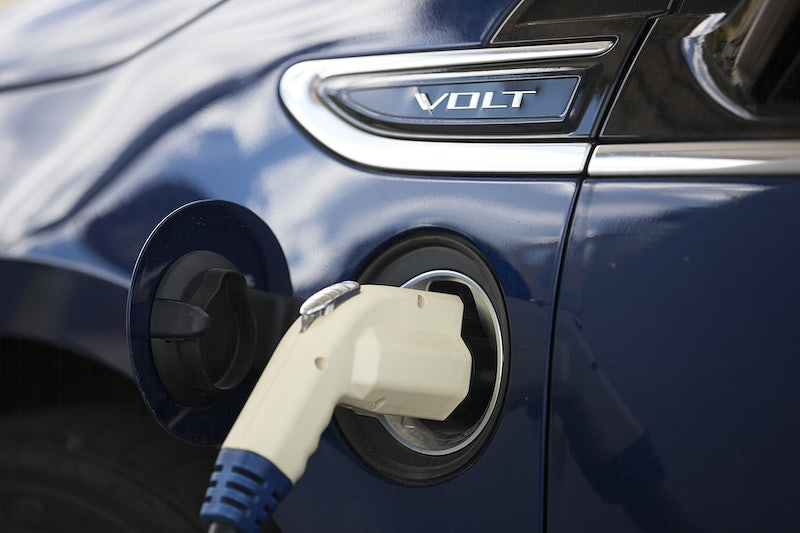
Cambodia has launched a landmark initiative in sustainable automotive development with the introduction of the first home‑assembled electric vehicles (EVs), marking a breakthrough in Cambodia EV Manufacturing. Deputy Prime Minister Sun Chanthol and executives from China’s BYD Group celebrated the delivery of the first locally assembled EVs, underscoring the kingdom’s move toward reducing reliance on imported vehicles and embracing environmentally friendly transport solutions.
A Strategic Shift Toward Local Assembly
First Cambodian‑Built EVs Hit Roads
The government confirmed that the first units assembled at BYD’s new domestic facility have reached customers, signifying a major step forward for Cambodia EV Manufacturing. The assembly plant, part of an expanding production footprint in Southeast Asia, reflects Cambodia’s intent to build manufacturing capacity, create jobs, and support the country’s growing interest in electric mobility.
In a coordinated effort to meet rising domestic demand, BYD plans to establish a flagship “Car Centre” in Phnom Penh, positioned to become one of the largest facilities of its kind in the nation. This center will enhance sales, service, and support for EV owners as the market expands.
Government Support for EV Manufacturing
Officials stressed that political stability and a pro‑investment environment are key to attracting foreign investments like BYD’s assembly plant. Regulatory incentives, streamlined approval processes, and collaboration between the public and private sectors are central to the success of Cambodia EV Manufacturing and the kingdom’s broader green technology goals.
Expanding Production and Green Mobility Goals
A Growing EV Ecosystem
Beyond the first locally assembled models, Cambodia’s EV scene is evolving rapidly. The factory project in the Sihanoukville Special Economic Zone is expected to produce up to 10,000 electric vehicles annually once fully operational. This new capacity will make Cambodia EV Manufacturing a notable contributor to the ASEAN EV landscape and reduce dependence on fully imported vehicles.
The Cambodian government has also indicated long‑term targets for electrification, planning to increase the share of electric cars, urban buses, and motorcycles to support national climate and emissions goals by 2050. The initiative aligns with growing demand for sustainable transport across Southeast Asia and mirrors global trends in reducing carbon footprints through EV adoption.
Infrastructure and Market Momentum
As the manufacturing base strengthens, the number of registered EVs in Cambodia has surged. In recent years, registrations grew from a few hundred to several thousand, illustrating rapidly rising consumer interest. New EV models introduced by BYD and other brands continue to make electric vehicles more accessible and attractive to local buyers.
For a broader look at how electric vehicle markets are evolving in emerging economies, check out AsiaCarNews for ongoing coverage of EV adoption, manufacturing trends, and policy developments.
Economic and Industrial Impacts
Job Creation and Skills Development
Cambodia EV Manufacturing is not just about assembling cars — it represents a shift toward higher‑value industrial activity. Establishing an EV assembly plant is expected to create jobs, build technical expertise among the Cambodian workforce, and attract related supply chain partners to the region. These developments could help diversify the economy and align Cambodia with the growing global EV industry.
Attracting Global Investment
BYD’s choice to invest in Cambodia underscores the nation’s investment potential. By positioning itself as an emerging EV production hub, Cambodia could attract additional foreign manufacturers, component suppliers, and technology partners, boosting industrial competitiveness and driving sustainable growth.
How do you see Cambodia EV Manufacturing transforming local transport and industry over the next decade — through jobs, cleaner air, or cheaper EVs? Comment below and share your vision for Cambodia’s electric future!