

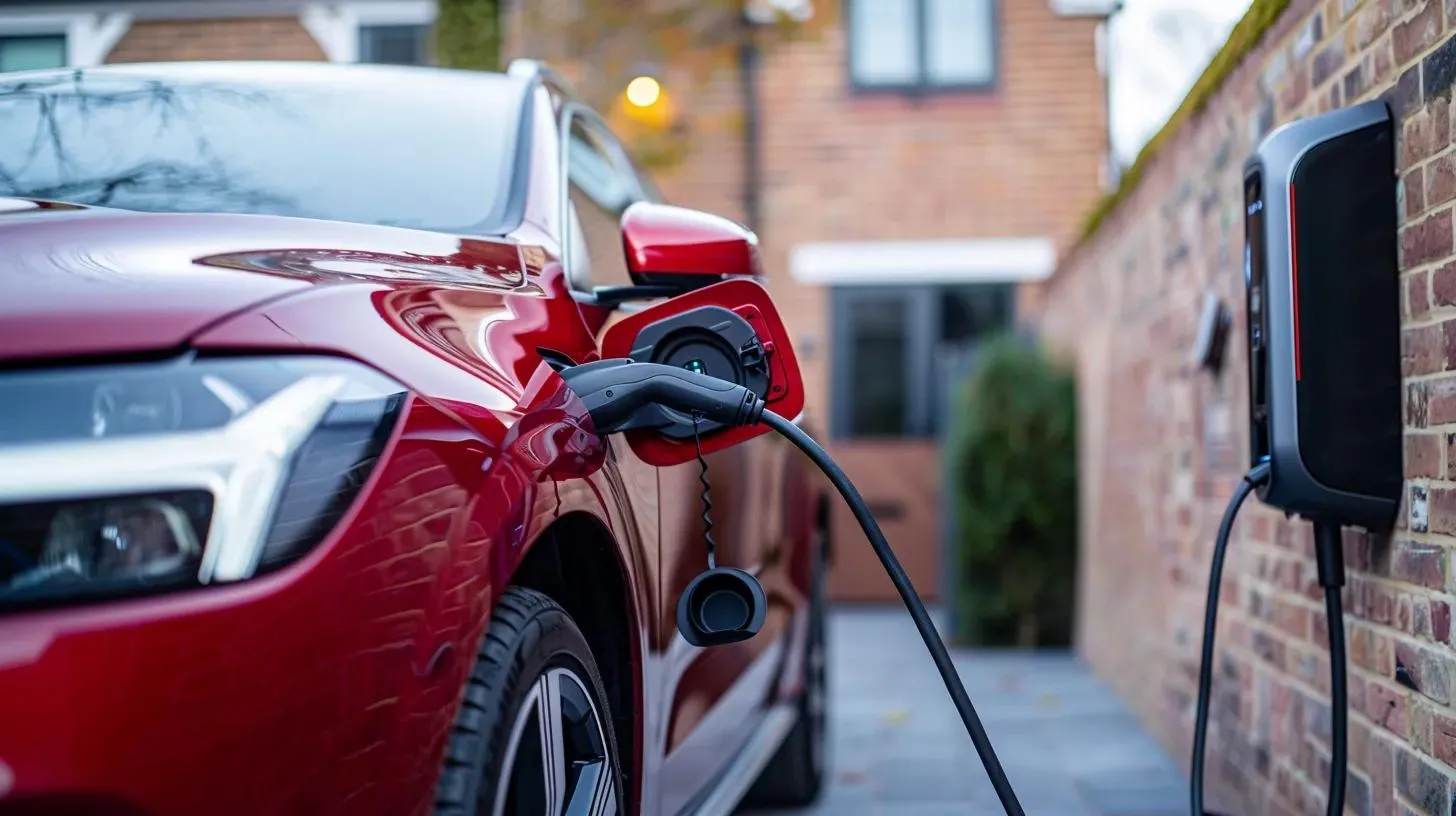
Cambodia is taking another step toward preparing its workforce for the future of mobility following a new cooperation agreement with Chinese educational institutions focused on electric vehicle technology and automotive training. The initiative aims to strengthen Cambodia EV Skills development as the country prepares for the growing adoption of electric and new energy vehicles.
The agreement was signed between the National Polytechnic Institute of Cambodia, the Preah Kossamak Polytechnic Institute, and Guangxi Transport Vocational and Technical College of China, creating a framework for long-term cooperation in automotive vocational education.
Supporting the Future of Cambodia’s Automotive Industry
As electric vehicles continue to gain popularity across Asia, the demand for qualified technicians and engineers is growing rapidly. The new partnership is designed to ensure that Cambodia EV Skills keep pace with the changing automotive landscape. The collaboration focuses on preparing students and workers for careers involving electric vehicles, advanced automotive systems, and emerging transportation technologies.
Training for New Energy Vehicles
A key objective of the agreement is the development of specialized training programs related to new energy vehicles (NEVs), including electric cars and future mobility technologies. As global automakers continue investing heavily in electrification, building strong Cambodia EV Skills will be essential for supporting vehicle maintenance, diagnostics, battery systems, and charging infrastructure.
Modern Automotive Curriculum Development
The institutions plan to collaborate on curriculum development to ensure students receive training aligned with current industry requirements. Programs are expected to include practical and technical knowledge covering:
-
Electric vehicle systems
-
Battery technology
-
Automotive electronics
-
Vehicle diagnostics
-
Smart mobility solutions
These skills are becoming increasingly important as the automotive sector transitions toward electrification.
Strengthening Technical Education
The agreement also promotes technical exchanges between educators, students, and industry professionals.
Human Resource Development
One of the major goals is to improve workforce readiness by enhancing technical expertise among Cambodian students and workers. Developing Cambodia EV Skills can help create employment opportunities while supporting industrial growth. The initiative also aims to encourage knowledge sharing between Cambodian and Chinese institutions to improve training standards and industry engagement.
Connecting Education with Industry
Closer collaboration between vocational institutions and automotive businesses is expected to help students gain practical experience and improve employment outcomes. Industry observers following regional automotive developments through AsiaCarGroup note that workforce training is becoming a critical factor in supporting EV adoption and automotive industry competitiveness across Asia.
Building Cambodia’s EV Workforce
The partnership comes at a time when many countries are investing in workforce development to support the growing electric vehicle sector.
Existing Training Progress
Since 2022, Guangxi Transport Vocational and Technical College has already trained dozens of Cambodian students in areas related to new energy vehicle technology and advanced engineering disciplines. These programs provide valuable experience and contribute directly to strengthening Cambodia EV Skills for future industry needs.
Preparing for Growing EV Adoption
As electric vehicles become more common across Southeast Asia, demand for skilled technicians, engineers, and service professionals is expected to increase significantly. Building local expertise today can help Cambodia support future EV infrastructure, maintenance services, and automotive manufacturing opportunities.
What This Means for Cambodia’s Automotive Future
The continued development of Cambodia EV Skills could play an important role in the country’s broader economic and industrial strategy.
Supporting Industrial Modernization
A skilled automotive workforce can help attract investment from manufacturers and technology companies seeking qualified talent for EV-related projects.
Expanding Career Opportunities
Young Cambodians entering vocational education may benefit from growing career opportunities in electric mobility, automotive technology, and smart transportation systems.
Conclusion
The new cooperation agreement between Cambodian and Chinese vocational institutions marks an important step in strengthening Cambodia EV Skills and preparing the country's workforce for the future of transportation. By focusing on electric vehicle technology, curriculum development, and industry collaboration, the initiative can help Cambodia build the technical expertise needed to support the next generation of automotive innovation and sustainable mobility.
Join the Conversation
Do you think vocational training will be one of the biggest factors driving electric vehicle growth in Southeast Asia? Share your thoughts in the comments and discuss the future of Cambodia EV Skills and EV technology development.