
Cambodia’s economy is expanding steadily, bringing with it a surge in motorization. Today, the nation’s roads are dominated by imported vehicles, nearly 90 percent of which are used and sourced from abroad. Two- and three-wheelers make up the majority of the fleet, but rising incomes are expected to shift the market toward larger, more fuel-intensive vehicles. This trend is directly impacting Cambodia Vehicle Emissions, which are already the highest among ASEAN countries for imported light-duty vehicles.
The Risks of a Rapidly Growing Vehicle Fleet
Aging Imports and Rising Pollution
As older, higher-emitting vehicles from Europe, North America, and other regions enter Cambodia, the country faces increasing vehicle emissions and climate risks. Average CO₂ emissions for imported light-duty vehicles are projected to reach 325 gCO₂/km by 2030 without intervention. Moreover, more than 60 percent of imported vehicles are over ten years old, and fuel economy is worsening, threatening to triple the 2030 Global Fuel Economy Initiative targets.
Black Carbon and Climate Pollutants
Older vehicles not only emit CO₂ but also release short-lived climate pollutants like black carbon, exacerbating both air quality and climate change impacts. Without strict import regulations, Cambodia risks becoming a dumping ground for polluting vehicles. Addressing Cambodia Vehicle Emissions requires simultaneous attention to both vehicle quality and fuel standards.
Coordinating Cleaner Vehicles and Fuels
Euro IV and Euro V Standards
To mitigate rising emissions, Cambodia has committed to implementing Euro IV emission standards for all new and imported vehicles starting in 2022, followed by Euro V in 2027. These policies require the use of low-sulfur fuels to ensure proper engine function and effective emissions control. For a fuel-importing country like Cambodia, this demands strict enforcement of sulfur limits and monitoring systems to safeguard both engines and air quality.
Challenges in Enforcement
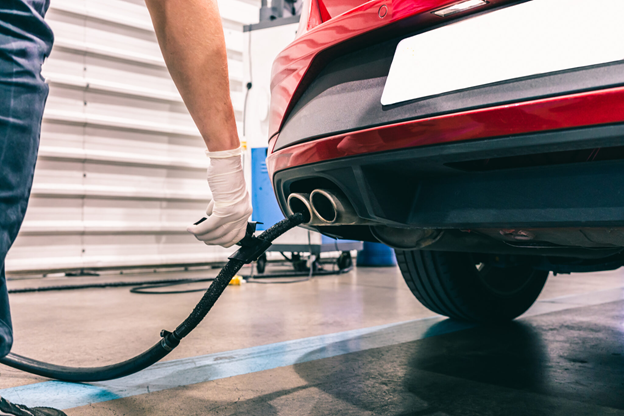
Despite policy progress, enforcement remains a challenge. The Ministry of Environment has limited capacity for roadside inspections, technical equipment, trained personnel, and inter-agency coordination. Maintaining low-sulfur fuel quality monitoring systems is both costly and complex. With guidance from UNEP and support from the Climate and Clean Air Coalition (CCAC), Cambodia is prioritizing investment in these monitoring systems to strengthen enforcement and reduce vehicle emissions in Cambodia.
Leadership and Opportunities for Sustainable Transport
Expanding Incentives for Cleaner Vehicles
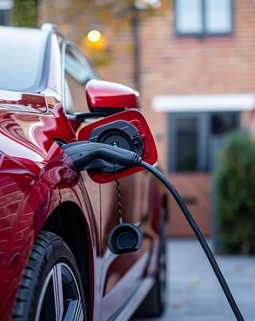
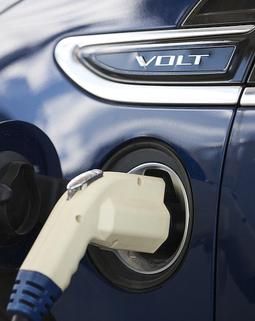
Cambodia’s proactive approach positions it as a regional leader. Incentives for electric motorcycles and tuk-tuks, alongside Euro IV/V compliance, are helping the nation transition toward cleaner mobility. The government is also extending its focus to heavy-duty vehicles, supported by new CCAC grants.
A Model for ASEAN
By addressing vehicle emissions early, Cambodia is not only improving public health and air quality domestically but also setting an example for neighboring countries. The combination of regulatory standards, clean fuel policies, and electric vehicle incentives charts a clear path toward a sustainable transport future. For insights on how regional EV adoption is evolving, visit AsiaCarNews.