
Phnom Penh’s bustling streets have long been defined by the iconic hum of three-wheeled taxis. However, volatile fuel prices and growing environmental concerns are rapidly pushing drivers toward a much cleaner alternative. The innovative solution taking over the capital is the integration of Cambodia swappable batteries. By transforming traditional, gas-guzzling vehicles into eco-friendly machines, the nation is taking a massive leap toward sustainable urban mobility.
The Mechanics of Retrofitting Internal Combustion
Instead of forcing hardworking drivers to purchase brand-new electric vehicles, local startups are offering a highly practical, cost-effective alternative. The process of retrofitting internal combustion engines involves completely removing the noisy, polluting gas engine and replacing it with a high-efficiency electric motor. This modern motor is directly powered by Cambodia swappable batteries, which are securely housed in a custom-built dock beneath the passenger seat.
This brilliant mechanical conversion not only extends the operational lifespan of the classic chassis but also drastically lowers the daily operating costs for the drivers. Because they no longer have to pay for expensive imported gasoline or frequent oil changes, adopting Cambodia swappable batteries is a massive economic win for the local workforce.
How Battery Swapping Stations Work
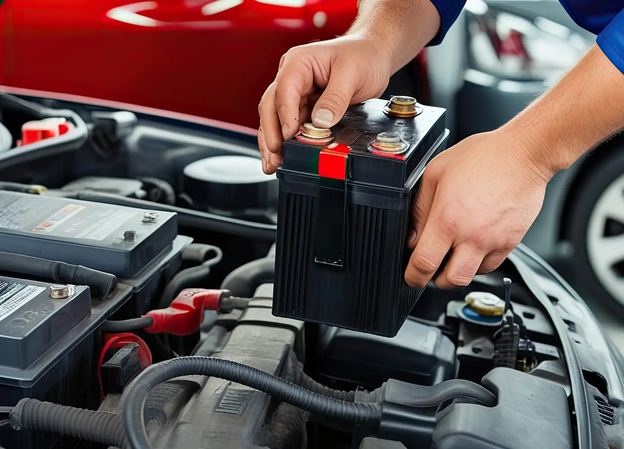
The biggest historical hurdle for electric vehicle adoption has always been range anxiety and frustratingly long charging times. The introduction of widespread battery swapping stations completely eliminates this bottleneck. When a driver runs low on power, they simply pull up to a local kiosk, remove the depleted unit, and slide in a fully charged replacement in under two minutes. This highly localized network of Cambodia swappable batteries ensures that drivers can stay on the road and continue earning a living without losing hours plugged into a wall.
Economic and Environmental Benefits
The aggressive push to electrify these vital passenger fleets represents a monumental shift toward zero-emission transport. By actively removing traditional exhaust pipes from the road, the city is heavily reducing its carbon footprint and actively combating toxic urban smog.
Furthermore, modern electric tuk-tuks run almost silently, significantly reducing the severe noise pollution that has historically plagued the dense capital city. The successful, widespread rollout of Cambodia swappable batteries proves that going green does not have to be an expensive luxury; it can be an accessible, highly practical upgrade for the everyday worker.
A Blueprint for Southeast Asia
As the charging infrastructure continues to expand rapidly across the country, this innovative retrofitting model serves as a powerful, highly replicable blueprint for neighboring nations facing similar transit challenges. For those wanting to continuously track the latest regional innovations, shifting mobility trends, and clean energy solutions, platforms like AsiaCarNews provide excellent, up-to-date daily insights.
Ultimately, the massive success of Cambodia swappable batteries is completely revolutionizing the local transport economy. By creatively bridging the gap between legacy vehicles and modern electric power, the country is proudly steering its iconic three-wheelers into a much brighter, sustainable future.
Do you think retrofitting old gas vehicles is a better solution than buying brand new EVs? How would rapid battery swapping change your daily commute?
Share your thoughts, questions, and green energy ideas in the comments below!